Blog
African Development Bank Approves $18.8 Million to Help Ghana Grow Its Rice Industry
Ghana is taking another important step toward improving its food security after receiving an $18.8 million grant from the African Development Bank (AfDB). The funding is aimed at strengthening the country's rice industry, increasing local production, and reducing its dependence on imported rice.
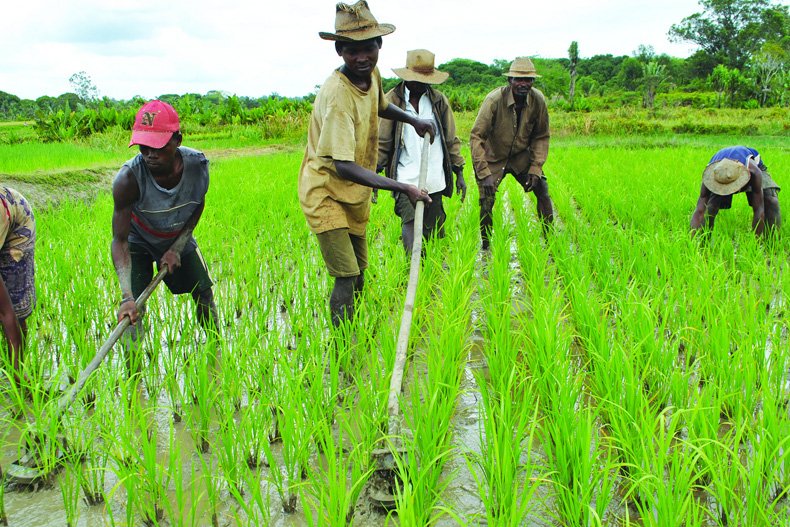
The investment will be used to support the Regional West Africa Resilient Rice Value Chains (REWARD) project. This initiative focuses on improving every stage of rice production—from farming and harvesting to processing and selling. By making the rice value chain more efficient, the project is expected to increase production, create employment opportunities, and support long-term agricultural growth.
Why This Investment Matters
Rice is one of the most widely consumed foods in Ghana. However, local farmers are currently unable to produce enough rice to meet the country's growing demand. As a result, Ghana imports a large amount of rice every year, making the country more vulnerable to rising international prices and supply chain disruptions.
By increasing domestic rice production, Ghana hopes to improve food availability, strengthen its agricultural sector, and reduce the financial burden of importing large quantities of rice.
Improving Rice Farming Across Ghana
The REWARD project will introduce several improvements that are expected to help farmers produce better yields while adapting to changing weather conditions. A major focus will be on promoting climate-smart farming practices that help crops perform better during droughts, irregular rainfall, and other climate-related challenges.
Farmers participating in the programme will receive access to higher-quality rice seeds, modern farming equipment, fertilisers, and technical support. These resources can help improve productivity while reducing production costs over time.
Investment in Irrigation and Land Development
A significant share of the funding will also be used to develop irrigation systems and improve farmland in selected districts within Ghana's Northern Savannah Ecological Zone. This region has strong agricultural potential but continues to face challenges such as limited infrastructure, unreliable rainfall, and restricted access to modern farming technologies.
Expanding irrigation and improving land management will allow farmers to cultivate rice more efficiently throughout the year, increasing both productivity and income.
Supporting Farmers and Local Businesses
The project is expected to benefit more than just rice growers. Better processing facilities and improved market access will help reduce post-harvest losses while making it easier for locally produced rice to reach consumers across the country.
As production grows, businesses involved in transportation, storage, packaging, processing, and agricultural services are also likely to benefit. This could lead to new job opportunities and stronger economic activity in rural communities.
A Step Towards Greater Food Security
Reducing dependence on imported food has become an important priority for many African countries. Strengthening domestic rice production allows Ghana to build a more resilient food system while protecting consumers from sudden increases in global food prices.
The AfDB's investment represents more than financial support—it is part of a broader effort to encourage sustainable agriculture, improve rural livelihoods, and strengthen regional food supply chains across West Africa.
If implemented successfully, the REWARD project could play a key role in helping Ghana produce more rice locally, support thousands of farming families, and move closer to long-term food security.