Blog
Ethiopia Bets Big on Homegrown Food to Cut Import Costs
Addis Ababa, May 2026 – Ethiopia is one of Africa's oldest farming nations. Its highlands are rich and green. Its people have farmed for thousands of years. Yet today, Ethiopia still spends hundreds of millions of dollars every year importing food that it could grow at home. The government says that is about to change.
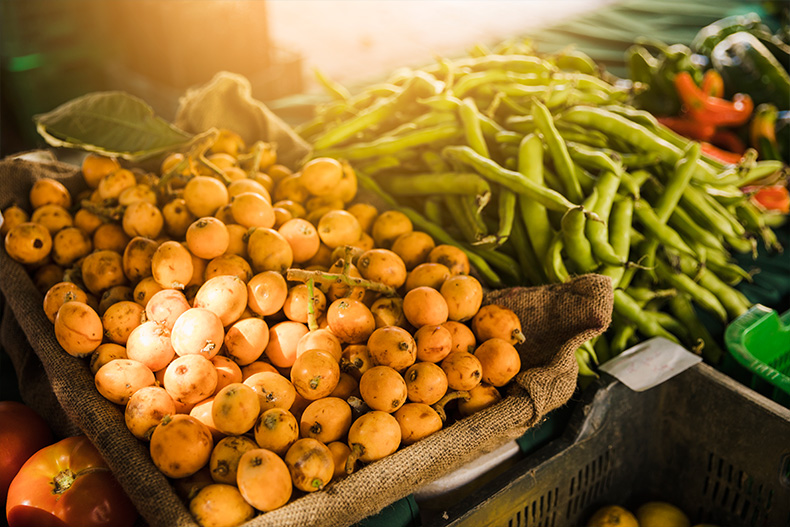
A bold new five-year plan has been launched to boost local food production across the country and sharply reduce the amount of food Ethiopia buys from abroad. The plan targets everyday staples that Ethiopians consume in large quantities — wheat, cooking oil, vegetables, and dairy products — most of which are either imported or in short supply domestically.
The government is putting $1.2 billion into this effort, drawing on support from international development partners and private businesses who see Ethiopia's agricultural potential. The funding will be spread across several key areas: better seeds, modern farming equipment, training for farmers, new processing facilities, and improved roads to connect farms with markets.
One of the most important goals is to modernise how food is grown. Most Ethiopian farmers still rely on traditional methods passed down through generations — planting by hand, using simple tools, and hoping for good rains. While there is deep value in traditional knowledge, modern methods can dramatically increase how much food a farmer produces from the same piece of land. The programme will introduce high-yield seed varieties, soil testing services, and fertiliser support to help farmers get more from every harvest.
Food processing is another major focus. Right now, much of Ethiopia's raw farm produce is sold cheaply at local markets or lost to spoilage before it can be used. By investing in processing factories — places that turn raw crops into packaged goods — Ethiopia can add value to its produce, extend shelf life, and sell finished products at higher prices both at home and abroad. A farmer growing sunflowers, for instance, could see their income rise sharply if those sunflowers are processed into bottled cooking oil rather than sold as raw seeds.
The plan is also expected to create over one million new jobs within five years. These jobs will not all be on farms. Many will be in food factories, transport, packaging, quality inspection, and retail. As Ethiopia's food production grows, so does the network of businesses that support it. This is the kind of job creation that reaches into cities and towns as well as rural villages.
Young Ethiopians are a central part of the vision. The country has one of the youngest populations in the world, with millions of young people entering the workforce every year. Agriculture, done well and supported properly, can absorb many of these young workers and give them a stable future. The government is launching special training programmes for young farmers and agribusiness owners, teaching them not just how to farm but how to run profitable businesses.
There are real risks to the plan. Ethiopia has faced political instability in parts of the country in recent years, and delivering services to remote farming communities can be difficult. Climate change is also making rainfall less predictable, threatening harvests in regions that depend on seasonal rains. Officials say they are building climate resilience into the programme by expanding irrigation and encouraging crops that can survive dry spells.
The ambition behind the plan is straightforward: Ethiopia should be able to feed itself. A country with fertile land, a hardworking farming population, and growing international support has every reason to succeed. The question is whether the investment reaches the people who need it, and whether the systems put in place today will last long enough to make a real difference.
Ethiopia has the potential. The plan is now in motion. The world will be watching to see what grows.