Blog
Kenya Expands Irrigation to Help Farmers Survive Dry Seasons
Nairobi, April 2026 – For millions of Kenyan farmers, rain is everything. When it comes, life is good. When it does not, crops fail, incomes drop, and families go hungry. Kenya's government has decided that depending on rainfall alone is no longer good enough — and it is doing something big about it.
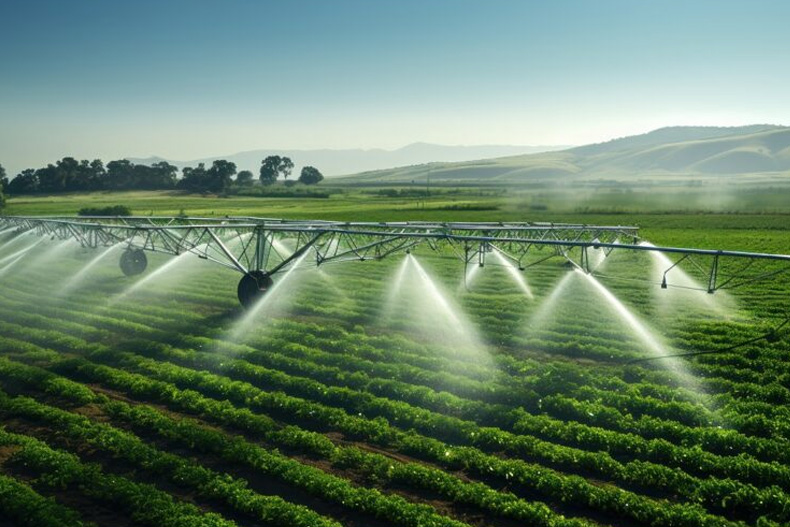
The government has launched a major new irrigation programme to bring water to farmland across the country, especially in dry and semi-dry regions where rain is unreliable. The project will cover more than 100,000 acres of land and is expected to directly benefit over 400,000 farming families. With steady water supply, those farmers will be able to grow crops throughout the year — not just during rainy seasons.
The African Development Bank is partnering with Kenya to fund the initiative. Together, they are committing over $300 million to build canals, water pumps, underground pipes, and large water storage tanks. Some of these systems will be brand new. Others will repair and upgrade old irrigation networks that have not been maintained for years and have fallen into disuse.
The regions set to benefit most are in northern and eastern Kenya, where droughts are common and farming has always been a struggle. Communities in these areas have long felt left behind by development. This programme is a direct attempt to change that, bringing the kind of farming support that more fertile regions have enjoyed for years.
For farmers who have tried and failed to grow enough food season after season, the impact could be life-changing. With water available all year round, a farmer who could previously grow one harvest a year could now grow two or even three. That means more food, more income, and a much more stable life.
Crops that need consistent water — like vegetables, fruits, and certain grains — will be especially well-suited to the newly irrigated land. The government wants to see a major rise in the production of onions, tomatoes, green beans, and rice in these areas. Some of these crops are currently imported, and officials believe Kenya can produce enough to supply its own markets and even export to neighbouring countries.
Youth employment is another key goal of the programme. Kenya, like many African countries, has a large and growing young population. Many young Kenyans in rural areas have little to do and few ways to earn money. The irrigation scheme is expected to create tens of thousands of new farming and agribusiness jobs, giving young people a real reason to stay in their communities and build a life there rather than moving to crowded cities in search of work.
The government is also investing in training and support services for farmers in the targeted areas. Agricultural extension workers — people who advise farmers on best practices — will be deployed to help communities make the most of the new water access. Farmers will receive guidance on what to grow, how to grow it efficiently, and how to store and sell their produce at the best prices.
There are challenges ahead. Building large-scale irrigation infrastructure in remote areas is costly and complex. The government will need to ensure that the systems are properly maintained once built, something that has been a problem with past projects. Community involvement will be essential — farmers who use the systems must also play a role in maintaining them.
Kenya's Agriculture Minister was direct about the ambition behind the programme. Farming, the minister said, should be something people choose because it pays well and offers a good life — not something they are stuck with because they have no other option. That shift in thinking, backed by real investment, may be exactly what Kenya's rural communities need.