Blog
Nigeria Gets $500 Million Loan to Grow Its Farming Sector
Lagos, May 2026 – Nigeria is getting a big boost for its farmers — and the whole country could feel the difference.
The World Bank has approved a $500 million loan to help Nigeria grow more food at home and create jobs across the farming sector. The programme is called AGROW, and it is one of the largest farming investments Nigeria has seen in many years. Officials say it could change the way millions of Nigerians farm, eat, and earn a living.
For a long time, Nigeria has spent billions of dollars buying food from other countries — food like rice, wheat, and cooking oil that could easily be grown at home. Every year, the country loses valuable foreign money on these imports. The AGROW programme is designed to stop that. By putting money directly into local farming, Nigeria wants to produce more of what it eats and keep that money inside the country.
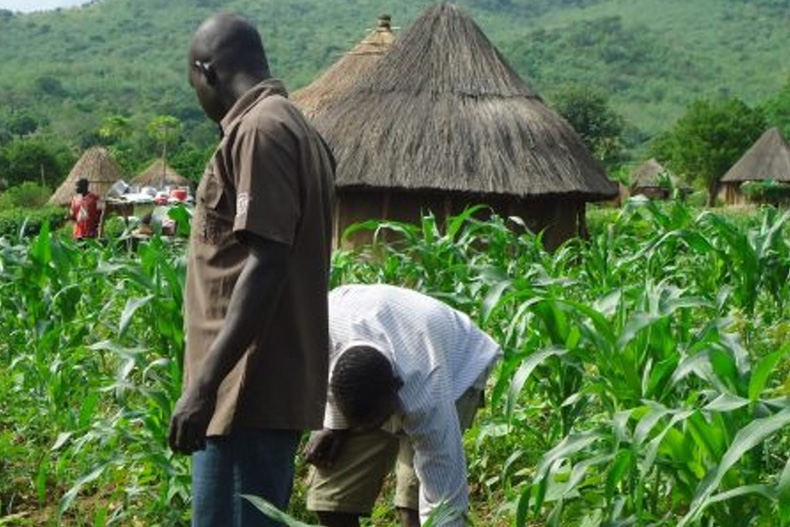
So where will the $500 million go? A large share will be used to help smallholder farmers — people who farm small pieces of land to feed their families and sell extra produce at local markets. These farmers make up the majority of Nigeria's agricultural workforce, yet many of them still use old tools, have no access to good seeds, and struggle to get loans from banks. AGROW wants to fix all of that.
The programme will provide farmers with better seeds that produce more crops and resist disease. It will also help them access modern farming equipment at lower costs through shared hiring schemes. Storage facilities will be built so that food does not rot after harvest — a huge problem in Nigeria where up to 40 percent of harvested crops are lost before they reach a buyer.
Roads and transport links will also be improved to make it easier for farmers to get their goods to markets quickly and at fair prices. Right now, many farmers in rural areas sell at very low prices because they cannot reach bigger markets where demand is higher. Better roads change that.
The programme will also train thousands of agricultural workers and young people in modern farming methods, business skills, and how to add value to raw farm produce. Instead of selling raw tomatoes, for example, farmers could learn to make tomato paste and earn more money from the same crop.
Jobs are a big part of the plan. Nigeria has a young and fast-growing population, and unemployment — especially among young people — is a serious problem. AGROW is expected to create hundreds of thousands of new jobs, not just on farms, but in food processing, packaging, transport, and sales. When farming grows, many other industries grow with it.
The World Bank said the programme was designed with Nigeria's specific challenges in mind. It praised Nigeria's government for committing to match the investment with its own funding and for bringing in private businesses as partners. Officials from the Ministry of Agriculture say they expect the first visible results within eighteen months of launch.
Not everyone is sure the plan will work. Some farming experts have warned that previous agricultural programmes in Nigeria struggled due to poor management and corruption. They say the real test will be whether the money reaches the farmers who need it most, rather than disappearing into the hands of officials or contractors.
The government has promised strong oversight and regular public reporting on how funds are spent. It has also set up a committee of farmers, business leaders, and development experts to monitor progress.
Nigeria has tried to fix its farming sector before. But with this level of funding, global backing, and public attention, many believe this time could be different. The land is fertile. The people are ready. The money is here. Now it is time to deliver.